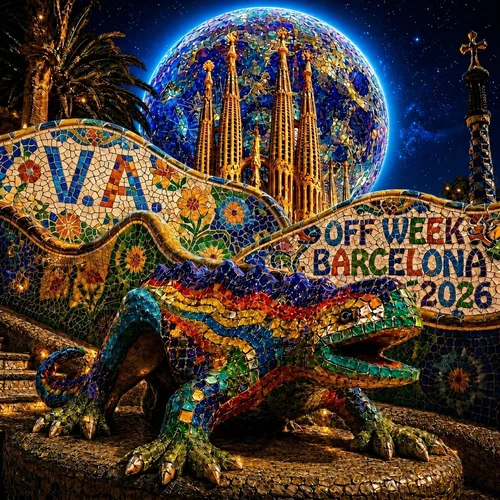
Releases
Indie dance EPs & compilations: the ILUNA catalogue
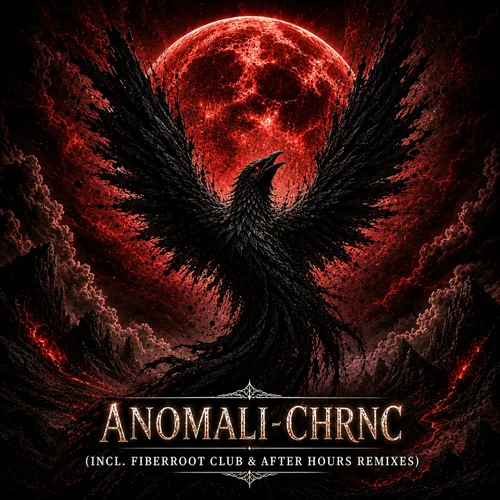
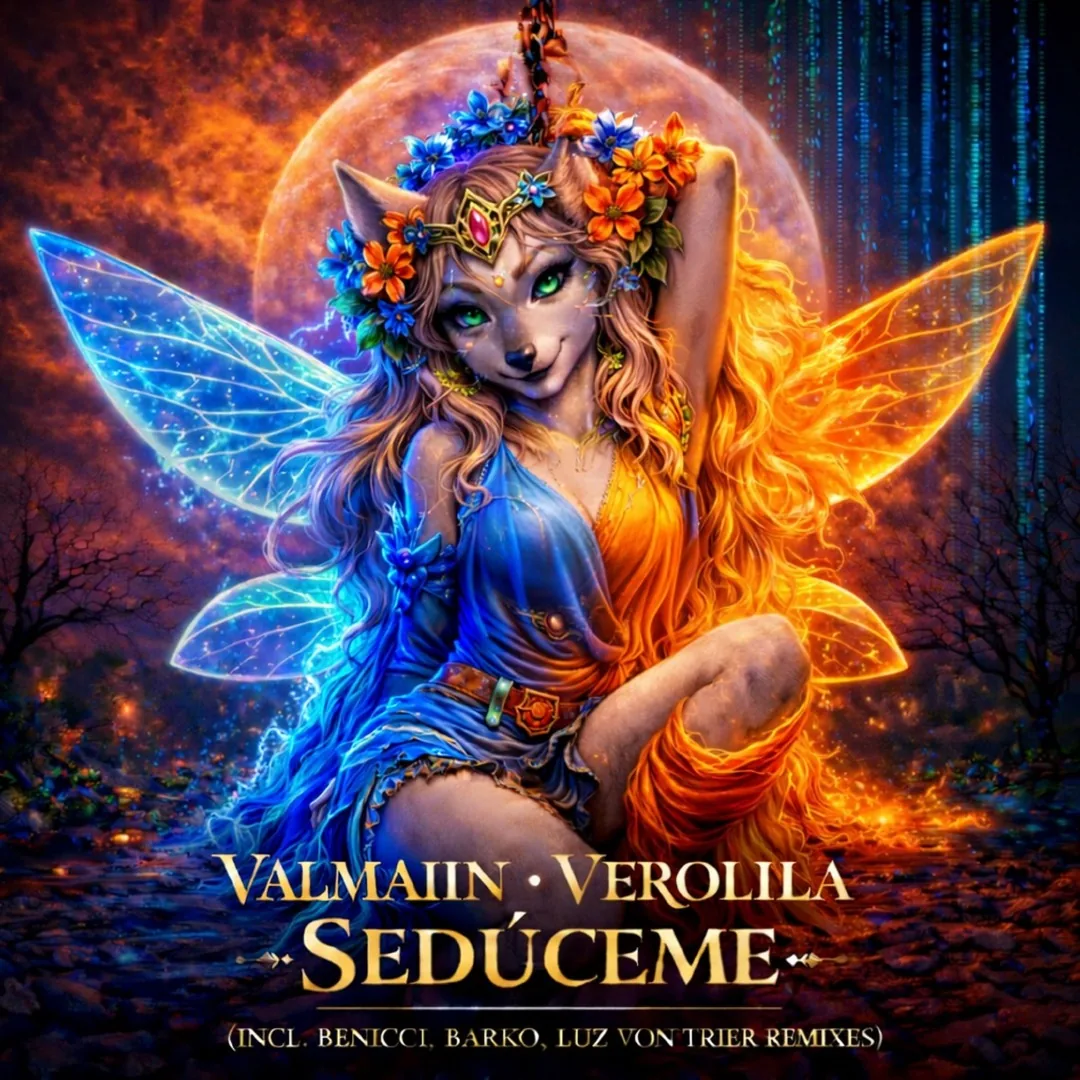
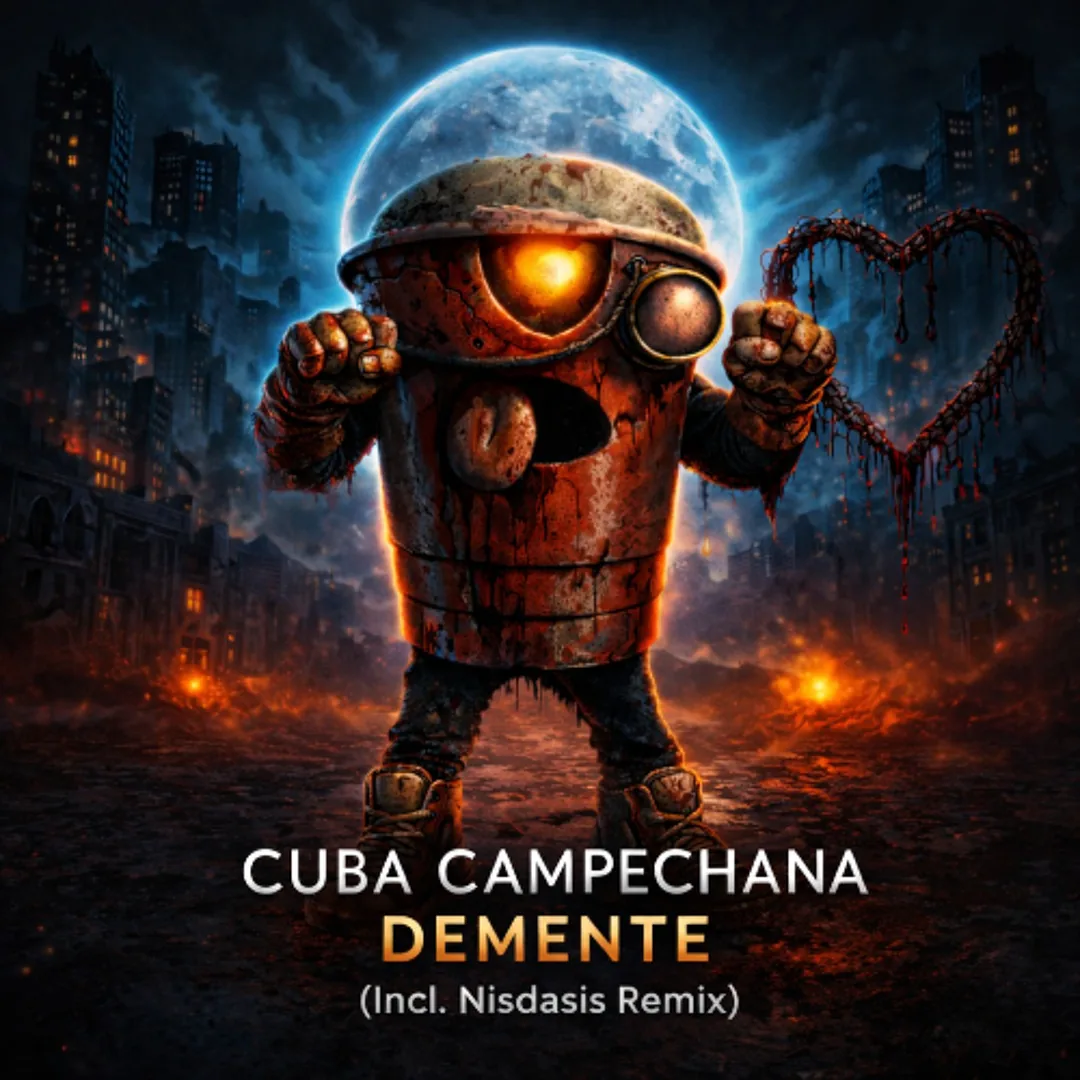
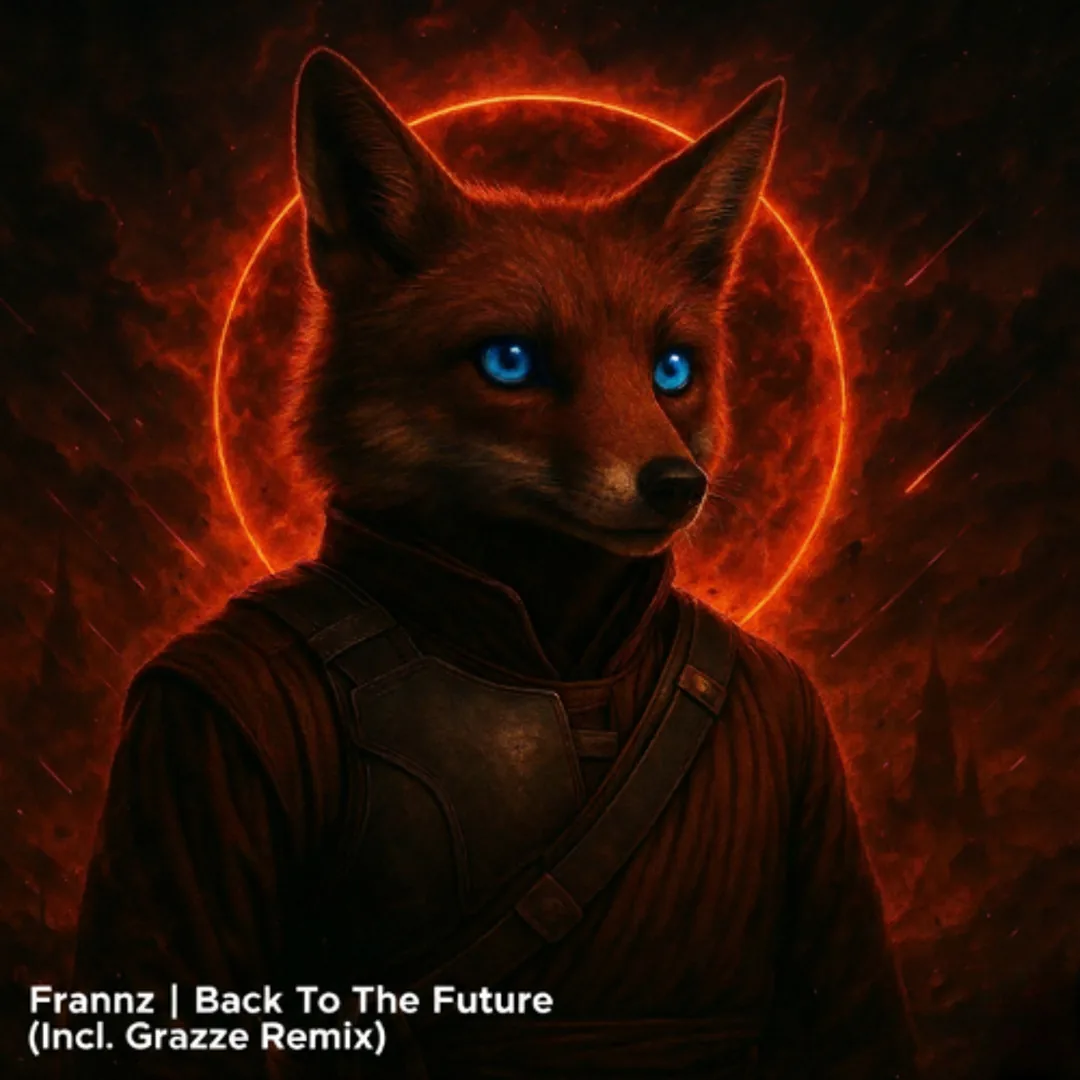
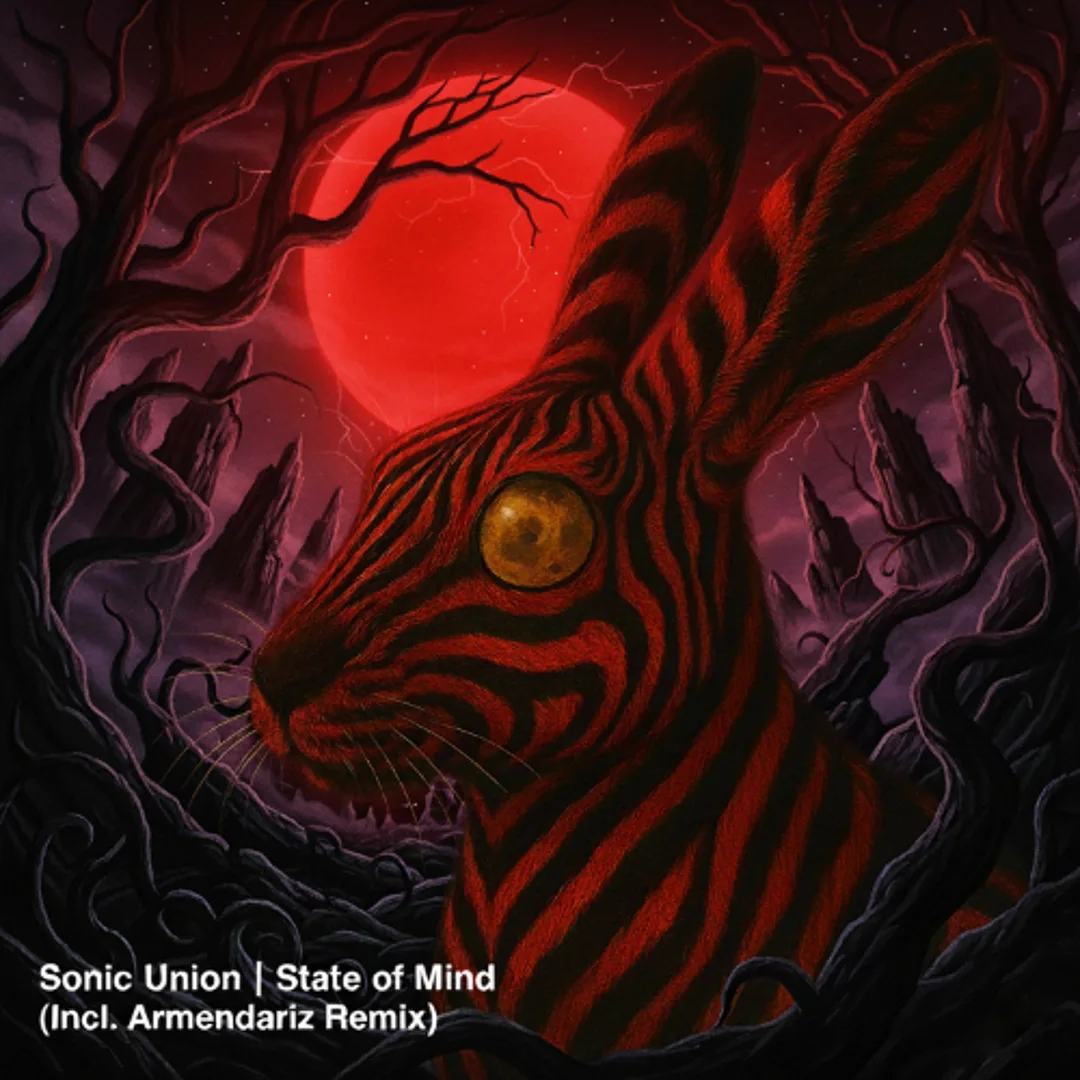
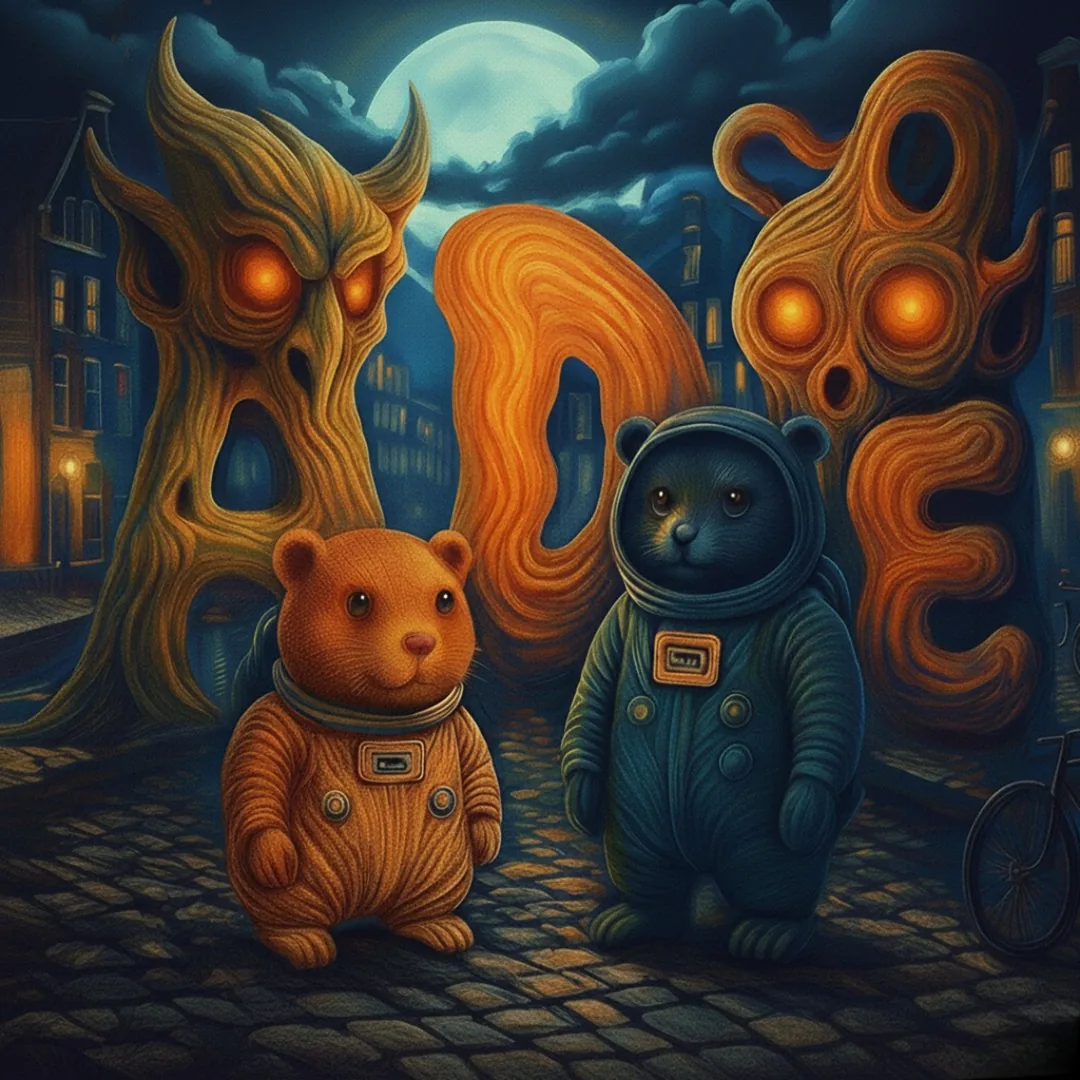
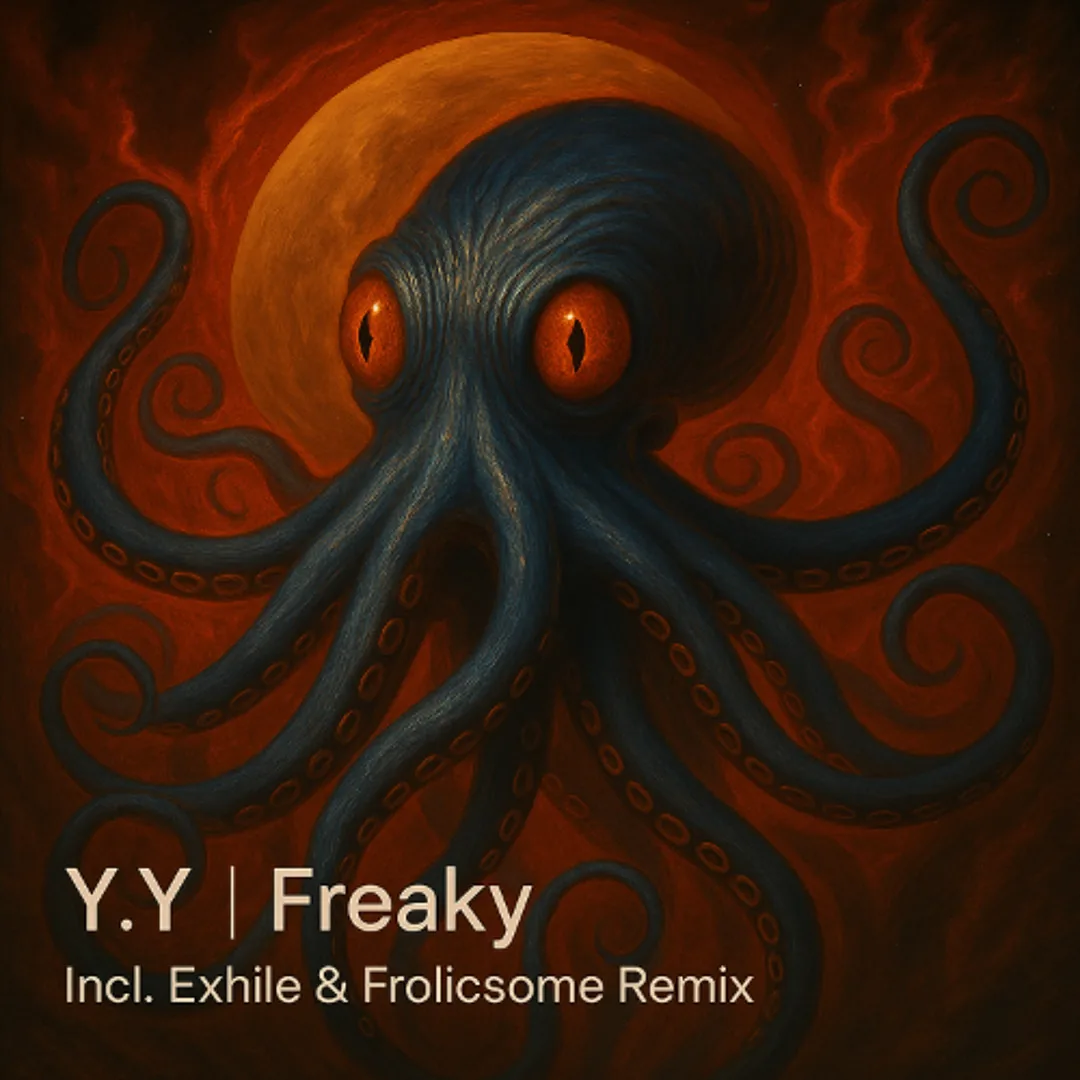
Every ILUNA Records release to date — EPs, remixes and V.A. compilations, straight from the label. Tap a cover for the full release page or buy directly on Beatport.
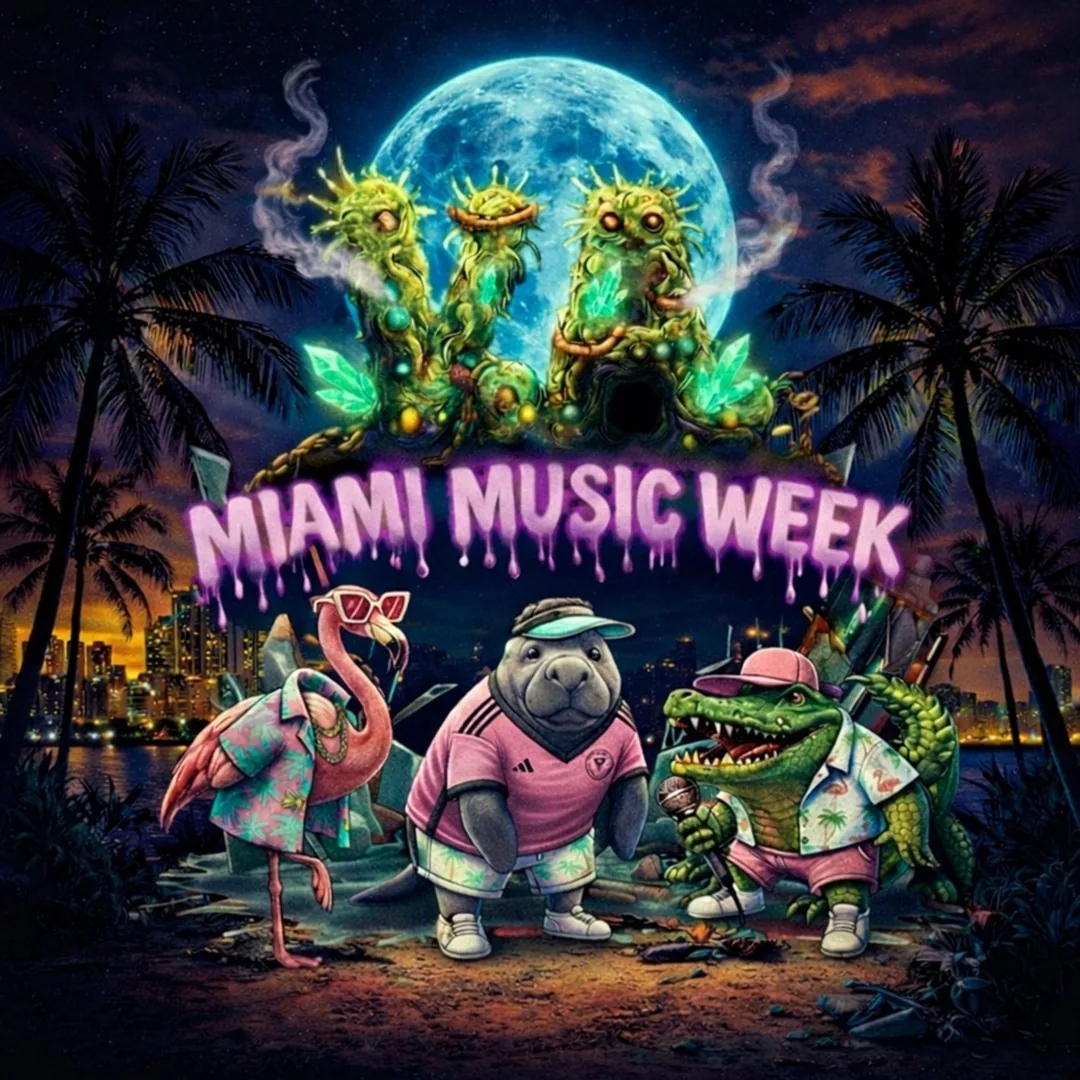
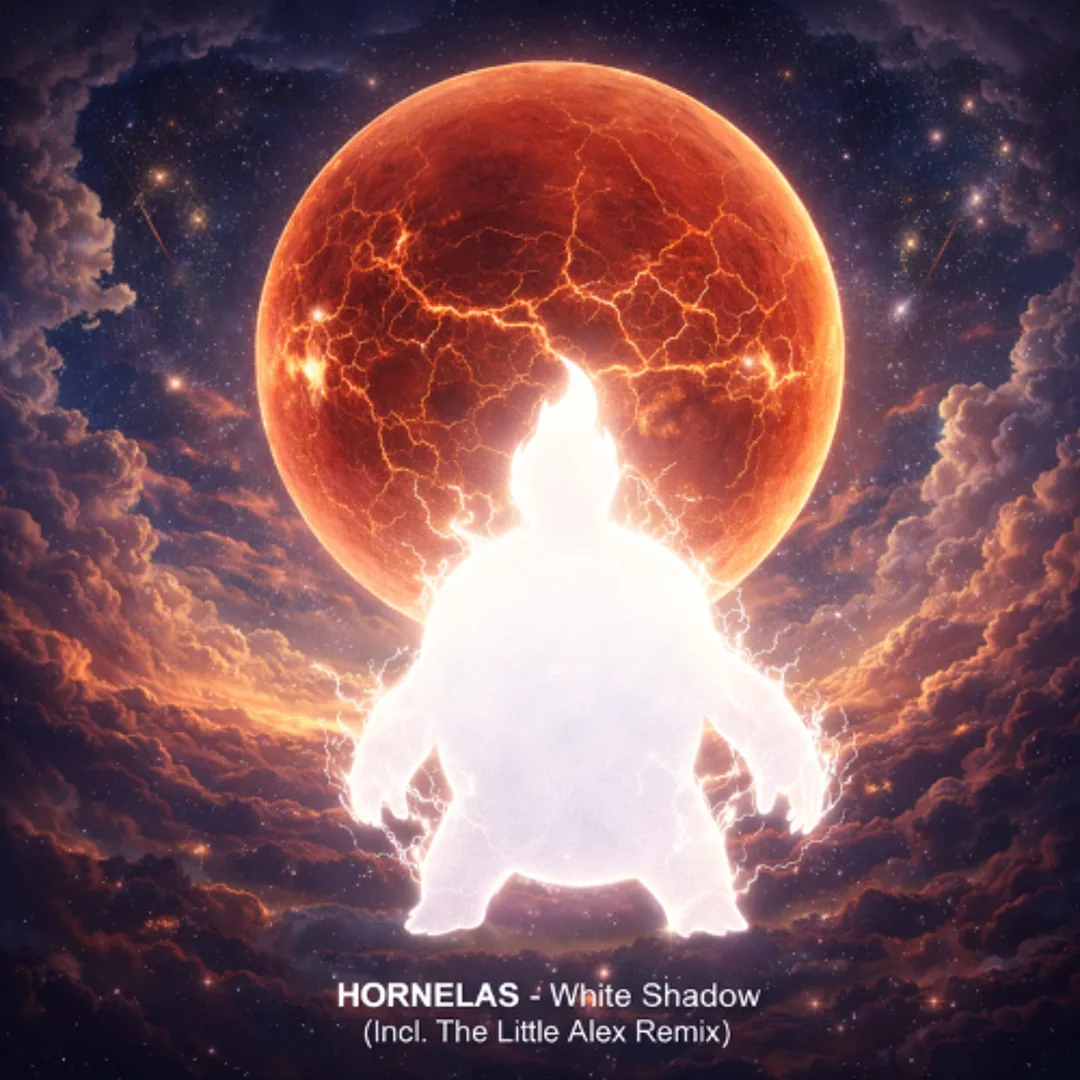
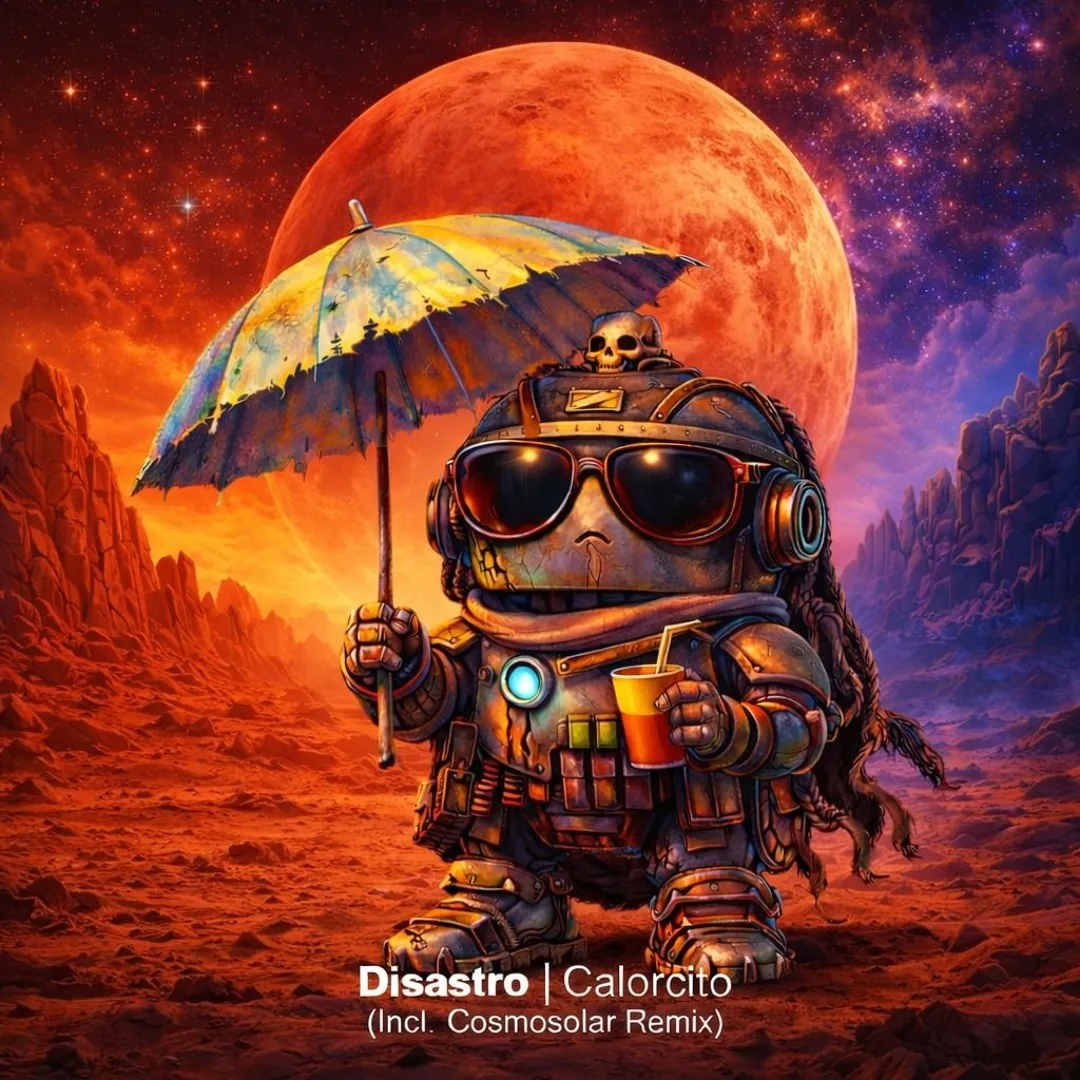
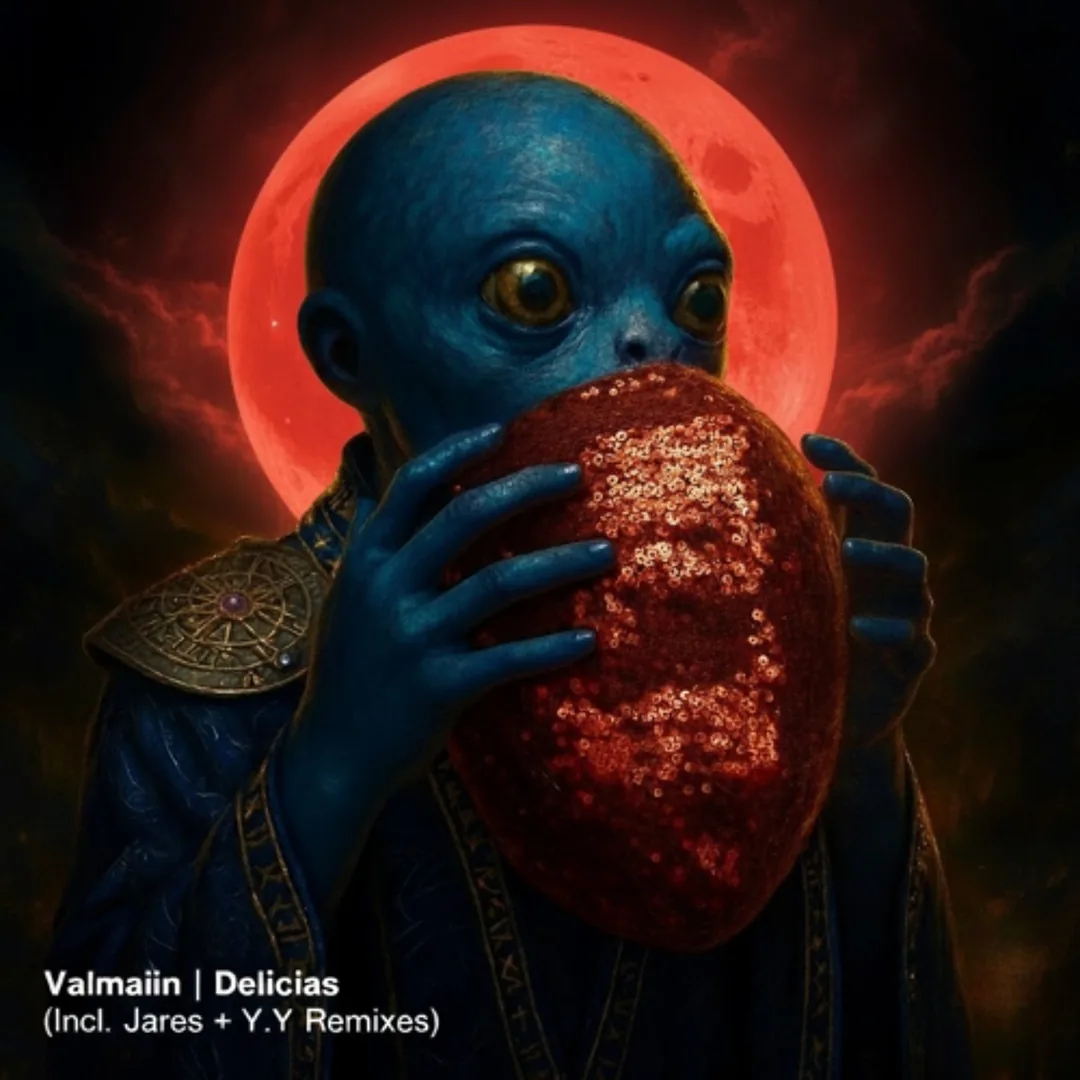
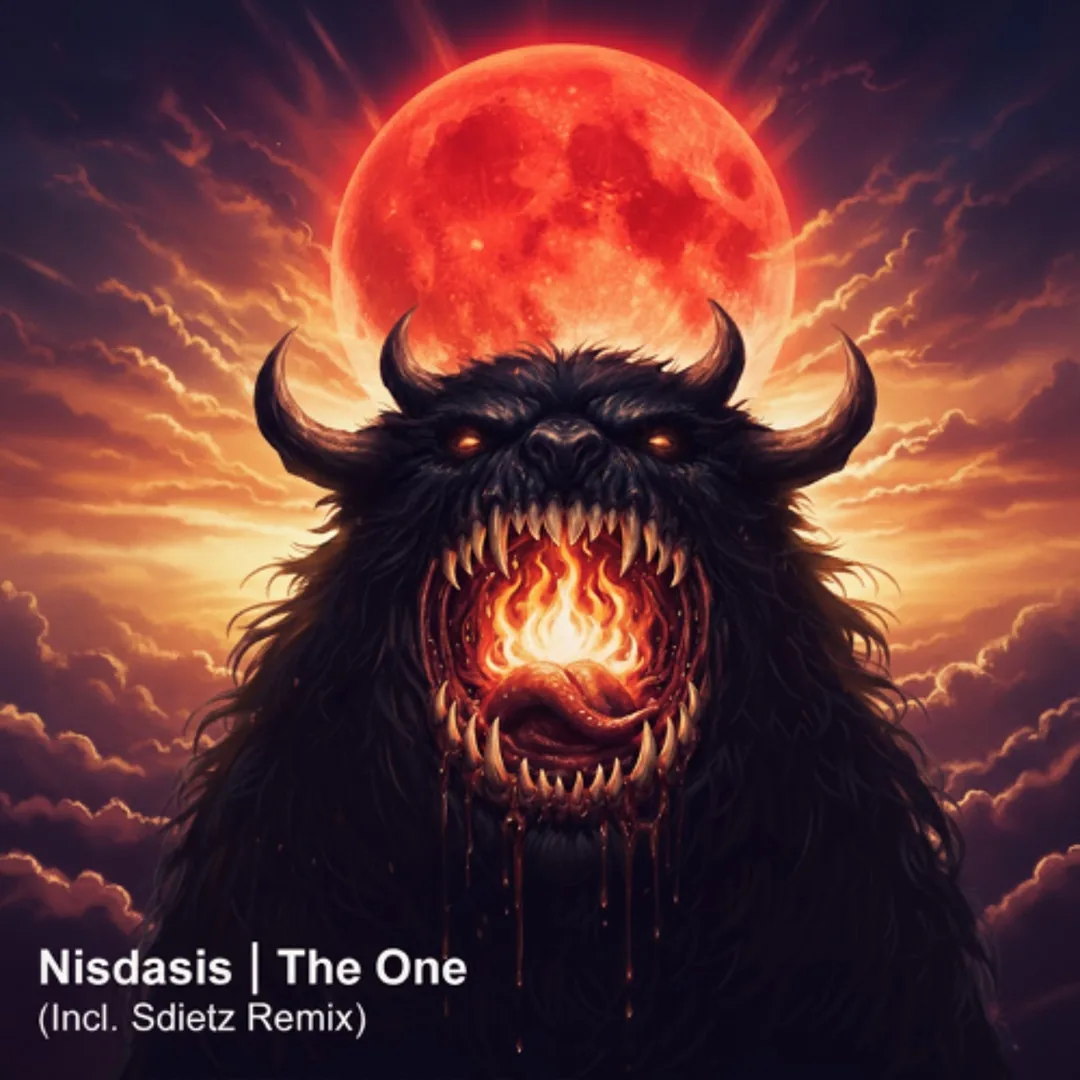
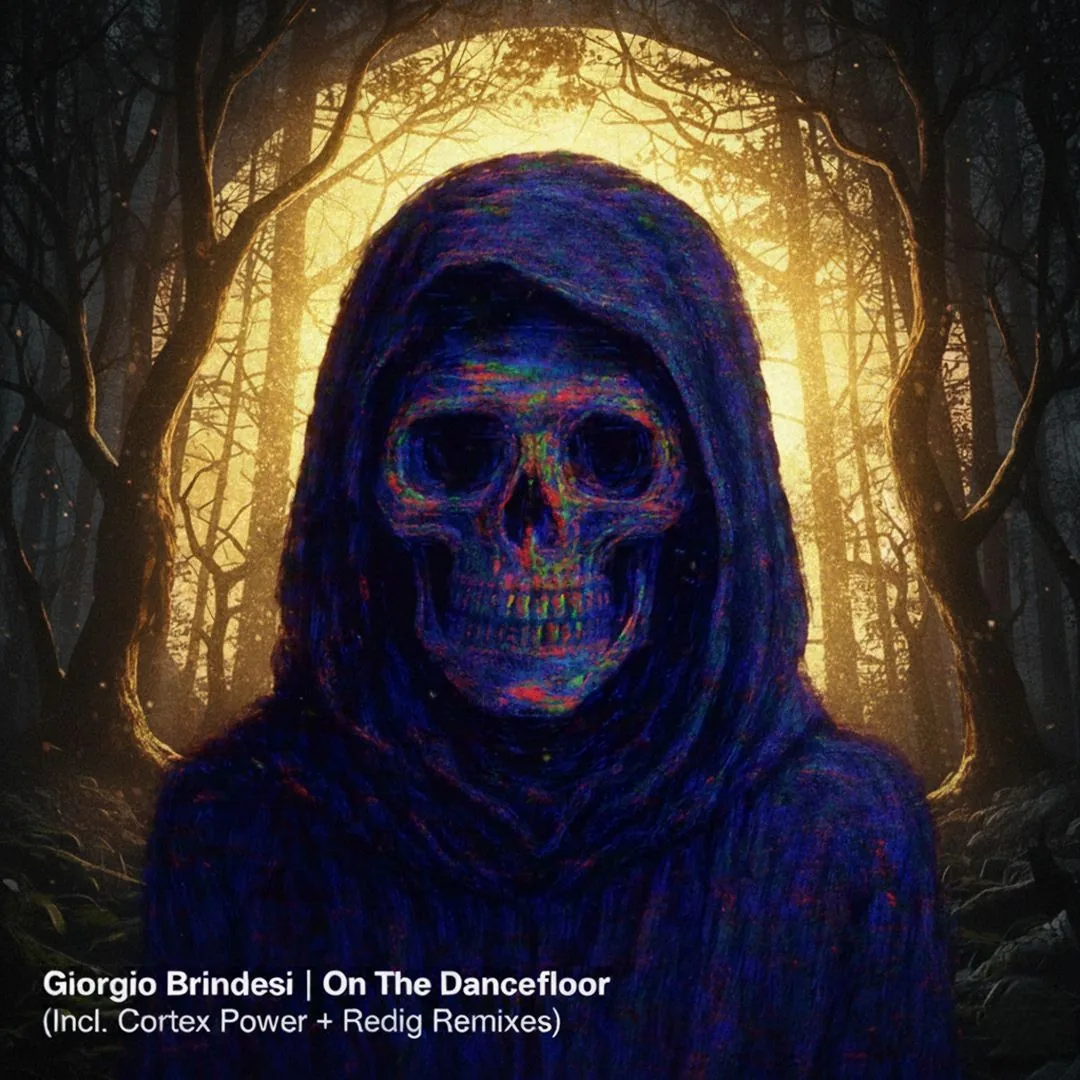
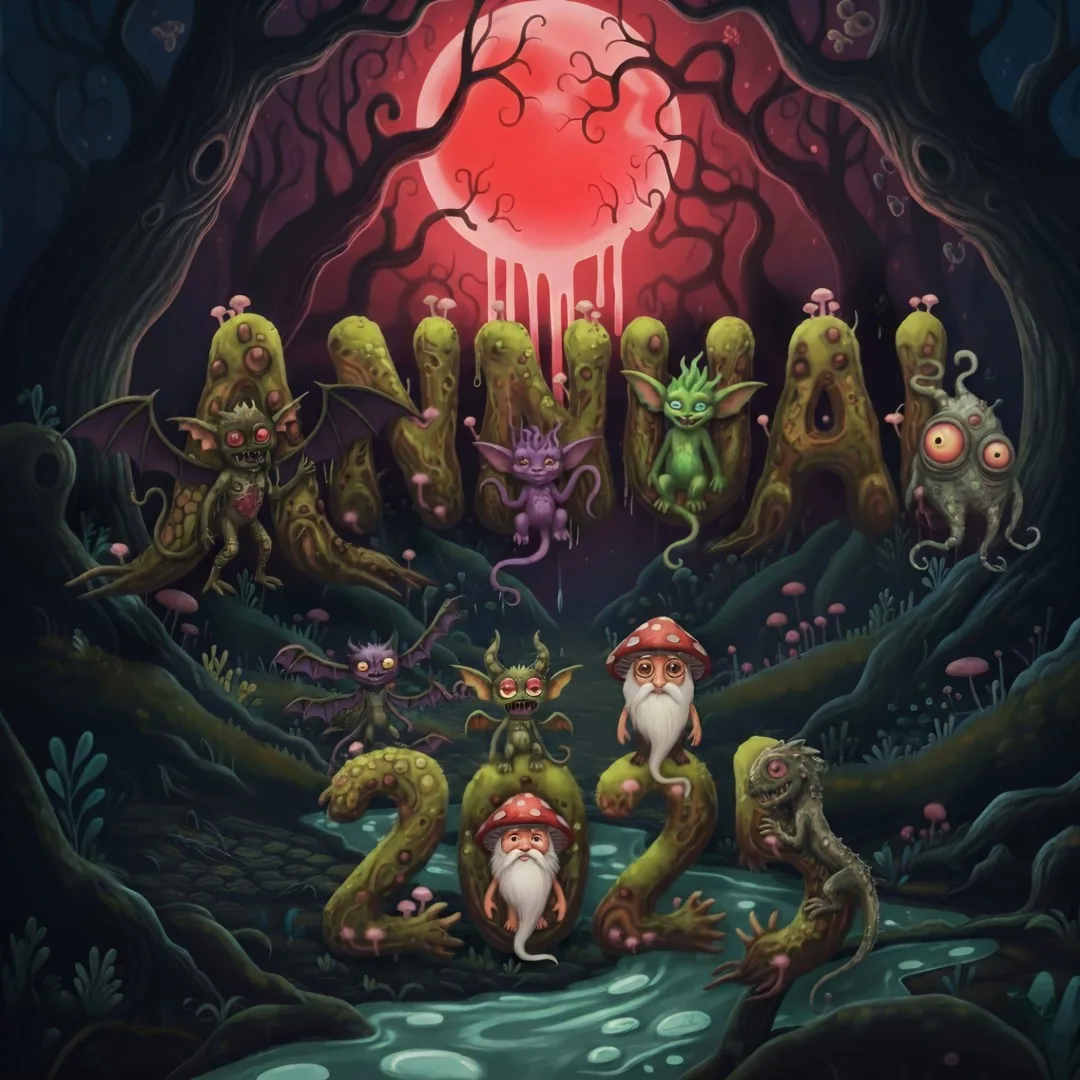
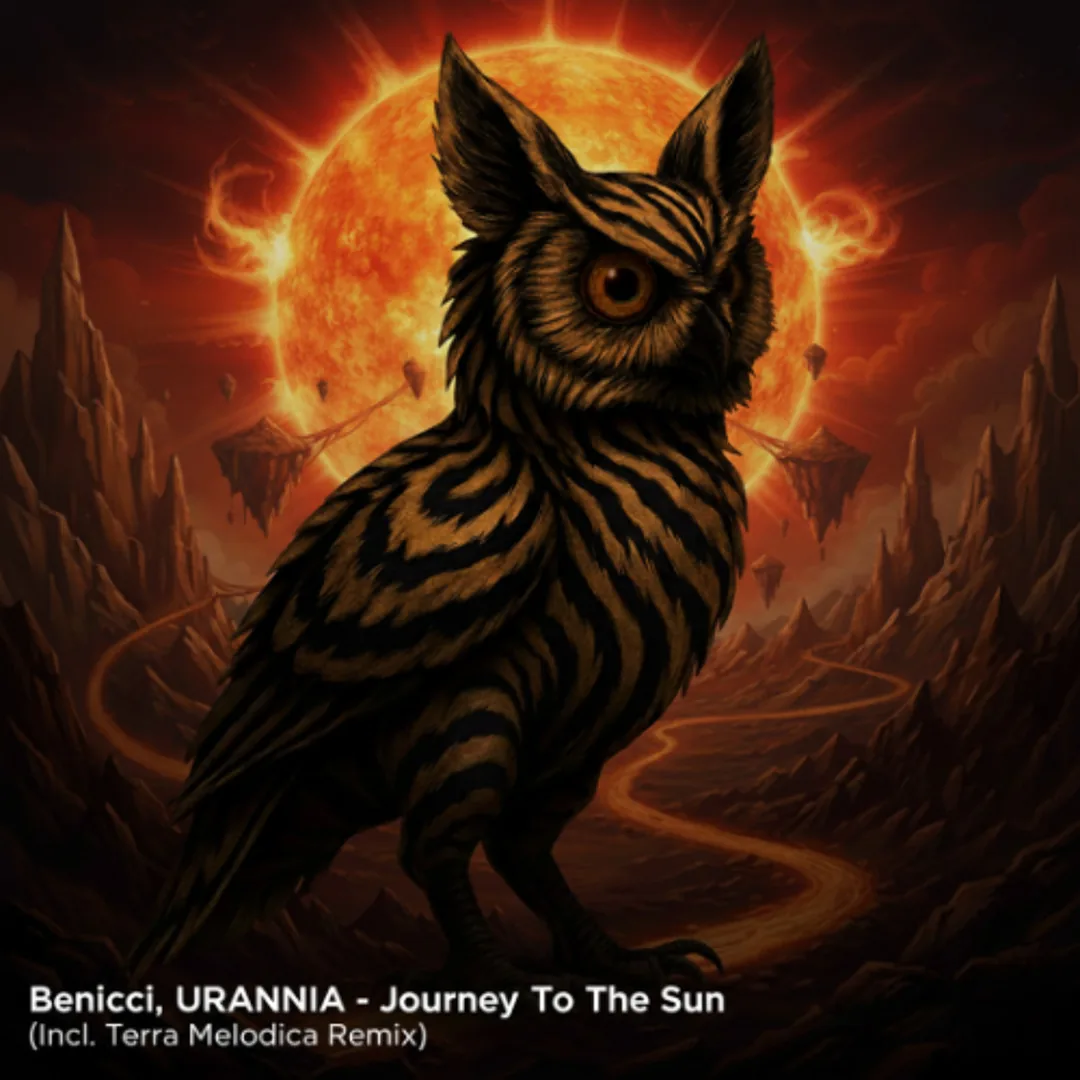
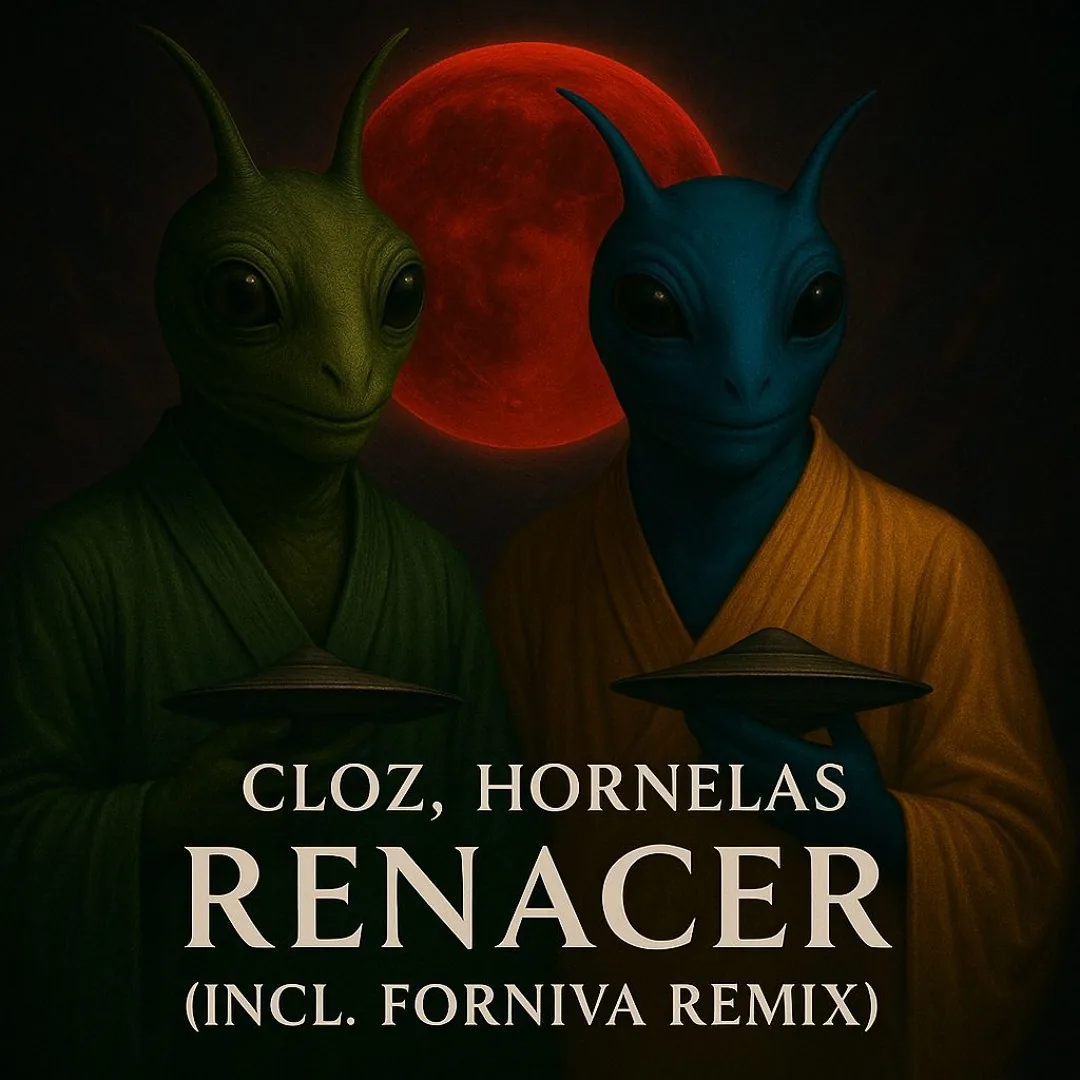
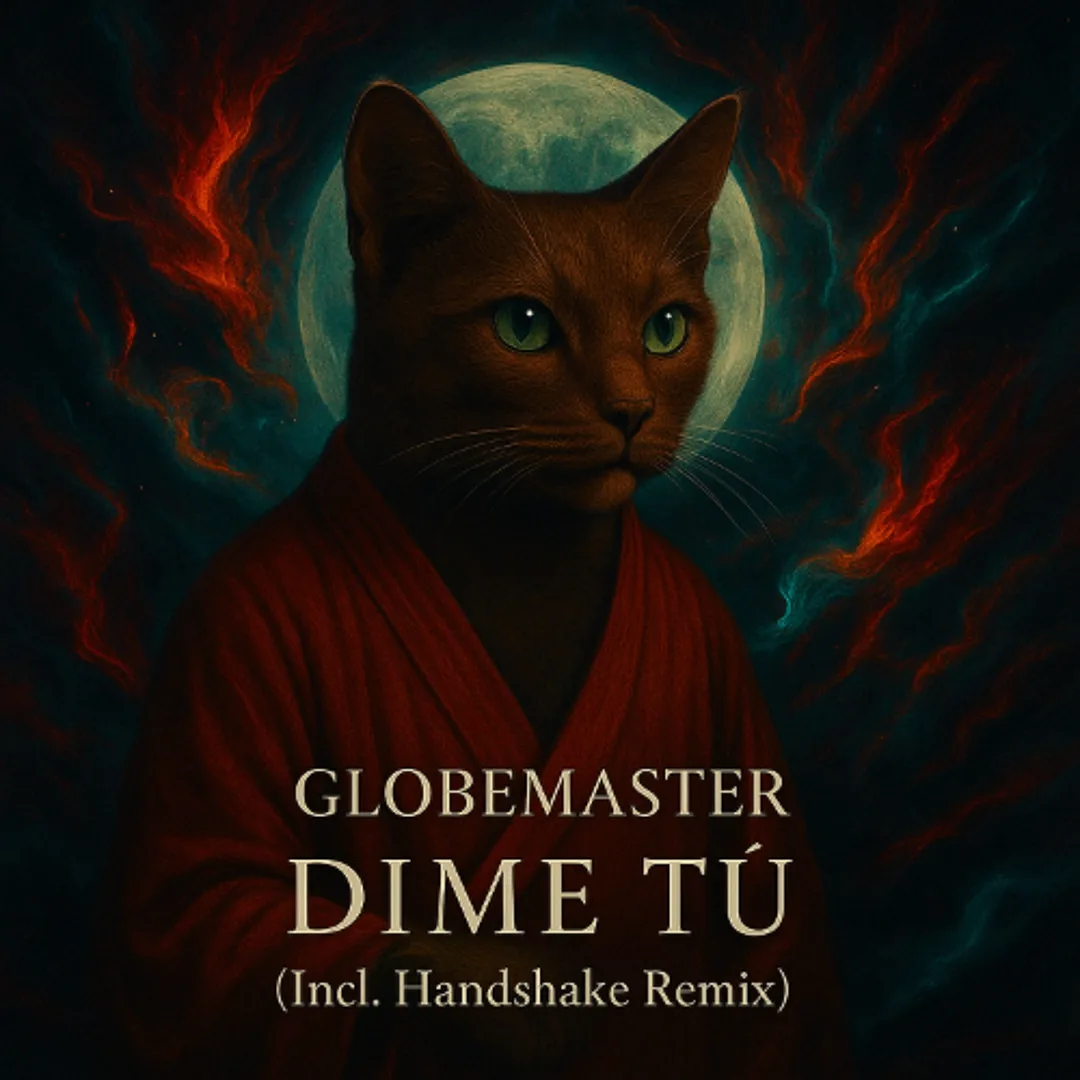
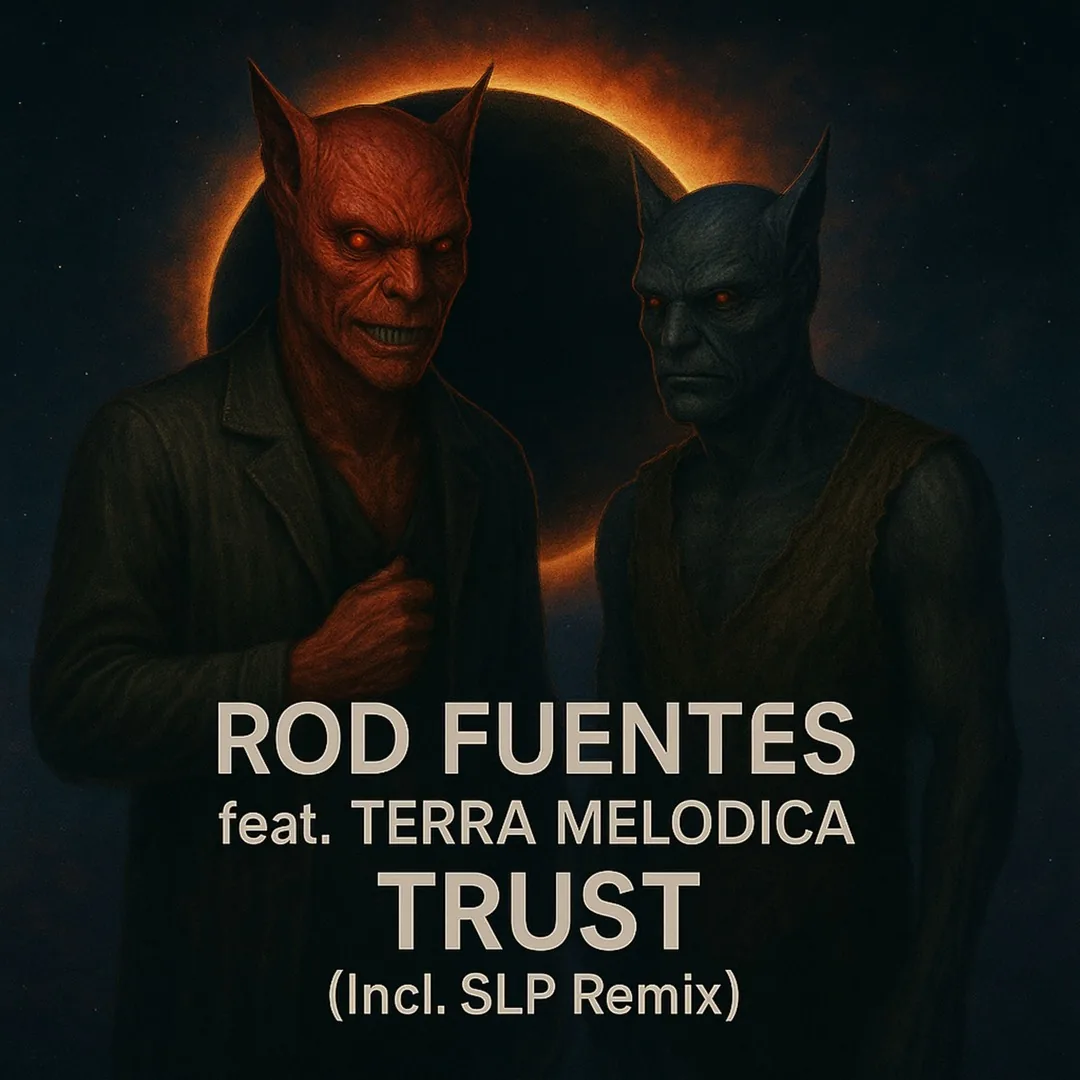
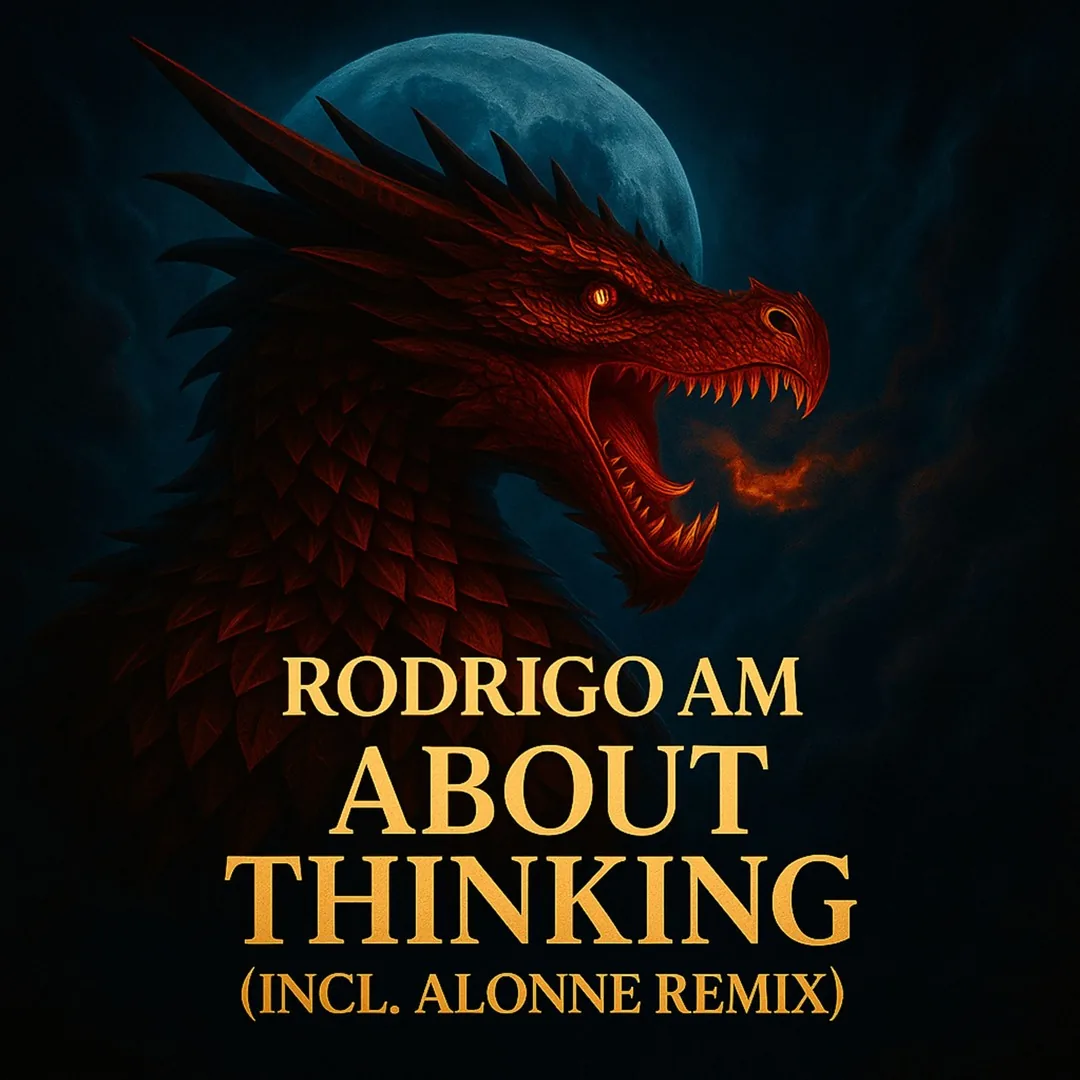
Where indie attitude meets the dancefloor.
Indie dance is the space between a band and a club: post-punk vocals over four-on-the-floor drums, analog synths next to bass guitars, melancholy you can dance to. This is the guide to the genre — its history, its sound and the people shaping it now.
Indie dance is electronic music with the soul of a band. It takes the songwriting, attitude and rawness of indie rock, post-punk and new wave, and rebuilds them with club production: steady kick drums, hypnotic basslines and synths designed for late nights.
Where techno chases precision and house chases euphoria, indie dance chases character. Vocals are moody and human. Grooves swagger instead of race — most of the genre lives between 100 and 122 BPM. Imperfection is part of the aesthetic: guitars, live bass and analog gear give the music its texture.
Today the genre is a global scene with its own charts, festivals and a wave of independent labels — from Berlin and Tel Aviv to Mexico City and the Basque Country.
Slower than house and techno. The tempo is the swagger: room to groove, space for the bassline to lead.
Vintage synths, drum machines, bass guitar and real guitars. Warm, saturated, imperfect on purpose.
Deadpan, spoken, gloomy or theatrical — vocals carry attitude and story, not just hooks.
Melancholic and hedonistic at once. Music for the dark part of the night — sad songs you dance to.
New York and Berlin collide: raw synths, punk vocals and disco drums. DFA Records and bands like LCD Soundsystem and The Rapture prove indie kids can rule a dancefloor.
Justice, Soulwax and Erol Alkan blur remix culture and rock energy. Indie bands get club remixes by default; the "indie dance" tag spreads through blogs and early digital stores.
The sound matures and slows. Cosmic and nu disco influences take over, edits culture explodes, and a new generation of producers builds the bridge to today's scene.
Indie dance becomes one of the fastest-growing club genres, with a darker signature: EBM basslines, post-punk gloom and hypnotic mid-tempo grooves. A worldwide circuit of independent labels drives the sound.
From the pioneers to the current wave — a non-exhaustive map of the genre's reference points.
The current wave of indie dance lives on independent labels. This is the complete ILUNA Records roster — every artist who has released on the label across original EPs, remixes and V.A. compilations like the ILUNA Annual, Amsterdam Dance Event, Miami Music Week and Off Sónar Week. Every name links to the artist's profile on the label site.
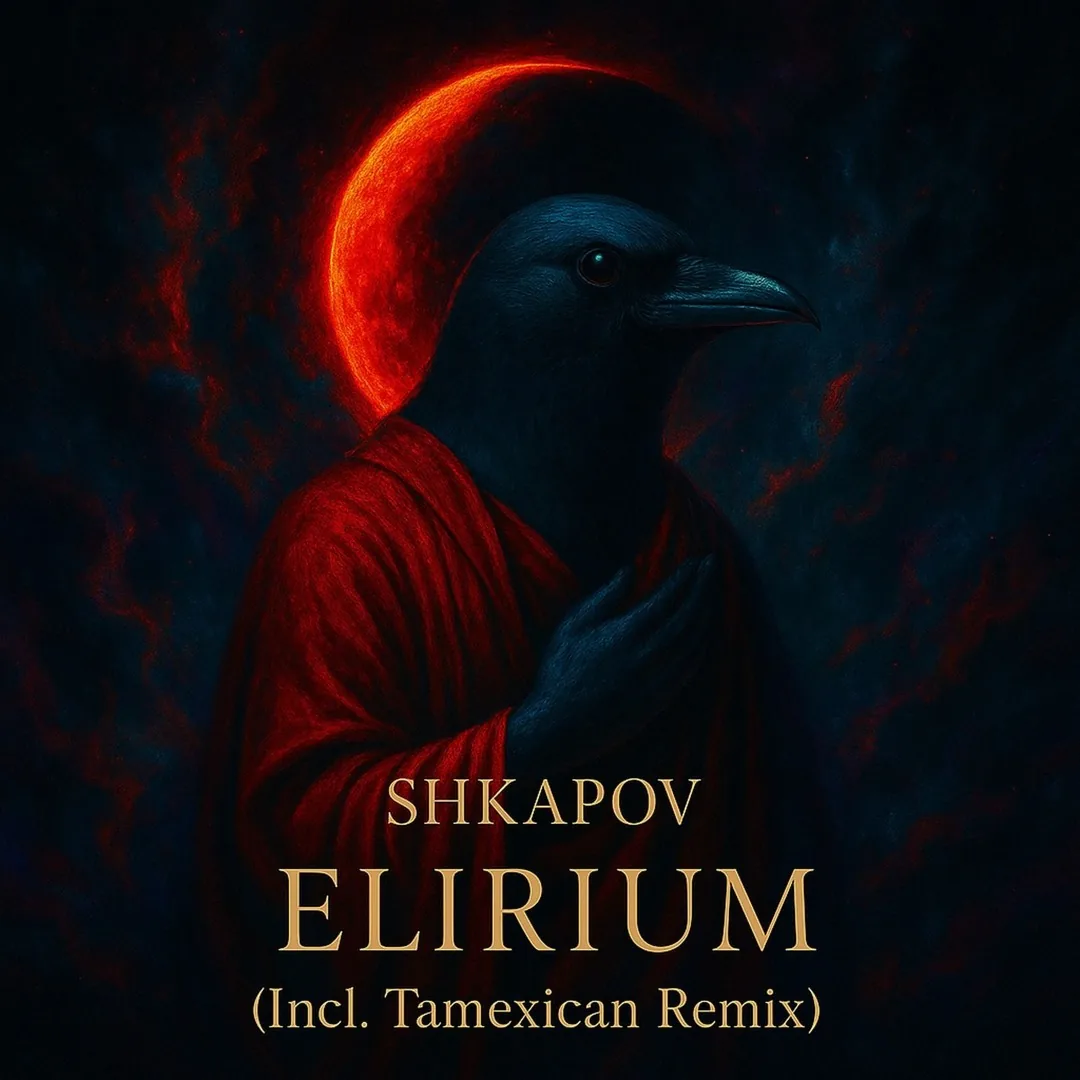
39 artists and counting — from SHKAPOV's ILU001 "Elirium" to the latest V.A. Off Sónar Week compilation, including remixers like Fiberroot Club, Grazze, The Little Alex and Cosmosolar.
Every ILUNA Records release to date — EPs, remixes and V.A. compilations, straight from the label. Tap a cover for the full release page or buy directly on Beatport.
Independent indie dance label from Donostia / San Sebastián focused on dark disco and melodic techno — music for the dark part of the night. 21 releases, 39 artists, on Beatport, Spotify and SoundCloud.
Producer & DJ from the Basque coast — sound with tension, memory and late-night weight.
Electronic club music built with the attitude, vocals and instruments of indie rock and post-punk — moody, groovy and made for the night.
Dark disco is the moodier, heavier branch of indie dance: slower grooves, EBM-flavored basslines and a gloomier atmosphere. Indie dance is the umbrella that also covers electroclash, nu disco and indie house.
Mostly between 100 and 122 BPM — noticeably slower than techno, which is exactly where its groove comes from.
Follow the Beatport Indie Dance chart and independent labels like ILUNA Records — small labels are where the genre moves first.